Finds / Medieval
From the Norman conquest to the end of the Wars of the Roses, England's population worked a landscape of open fields, manors and market towns. Manuring spread domestic rubbish, and with it small losses, across the arable land surrounding every settlement, which is why medieval material is so widely distributed across the farmland we detect.
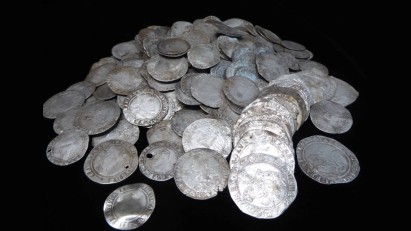
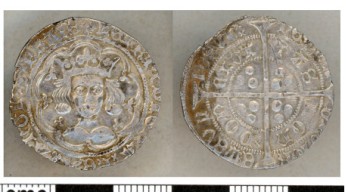
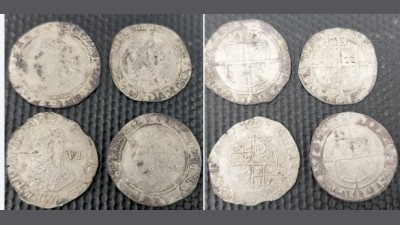
Hammered silver coinage is the backbone of the period for detectorists. Struck by hand and thin enough to bend or clip, these coins carry the name of the king and often the mint and moneyer, which makes them unusually informative for a single stray find.
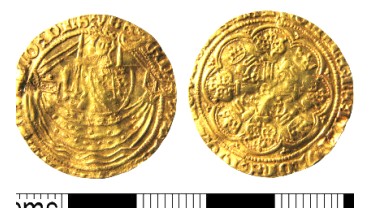
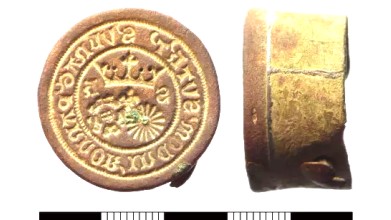
Occasionally a permission produces something rarer. A dispersed hoard of gold nobles, or a seal matrix used to authenticate documents or cloth, tells you about wealth, trade and administration in a way that a scatter of pennies cannot. Those finds are reported and, where they qualify, taken through the Treasure process.
What turns up from the Medieval period
- Hammered silver pennies, halfpennies and cut fractions
- Gold nobles and half-nobles, usually as part of a dispersed hoard
- Seal matrices, papal bullae and cloth seals
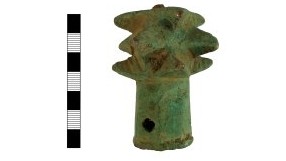
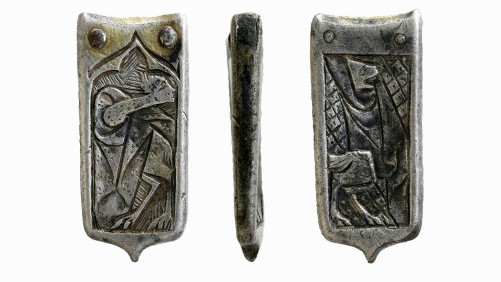
- Buckles, strap ends, purse bars and dress fittings
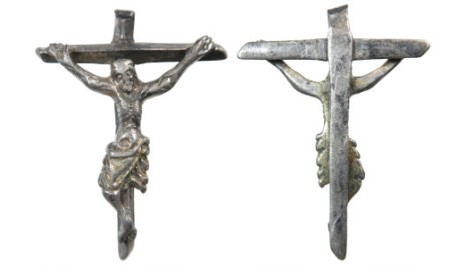
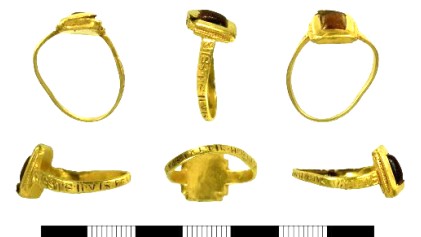
Every find below was recorded by a Midweek Searchers member and, where a reference has been assigned, reported through the Portable Antiquities Scheme. Exact findspots are withheld out of respect for our landowners.