Finds / Anglo-Saxon
The six centuries between the end of Roman Britain and the Norman conquest are poorly served by written sources, so almost everything we know about ordinary life in the period comes from what has been dug up. Metal detecting has transformed that picture: the great majority of early medieval coins now known from England were found by detectorists and recorded through the Portable Antiquities Scheme.
Wessex sat at the heart of the Anglo-Saxon kingdoms, and the counties we work were central to it. That geography is why single finds of early gold and silver coinage keep appearing on our permissions, and why a scatter of Saxon material is treated with real care once it is identified in the field.
Anything that looks Saxon and precious stops the dig. Gold and silver objects over 300 years old, and groups of coins, fall under the Treasure Act, which means the find is left in situ where possible, photographed, and reported to the Finds Liaison Officer and coroner. That process is not an inconvenience to us; it is the reason these objects end up in museums with their context intact.
What turns up from the Anglo-Saxon period
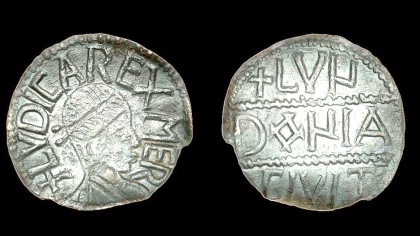
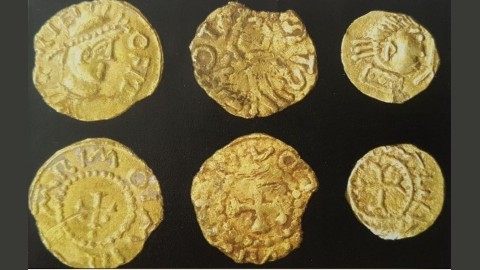
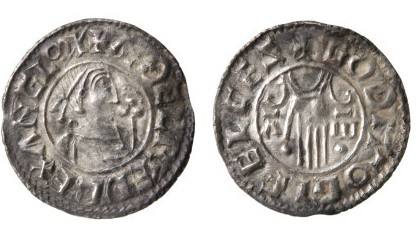
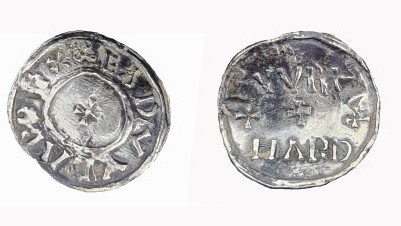
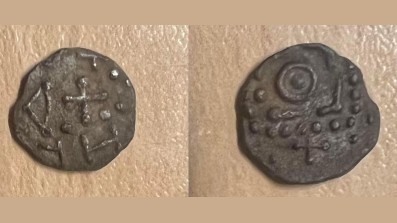
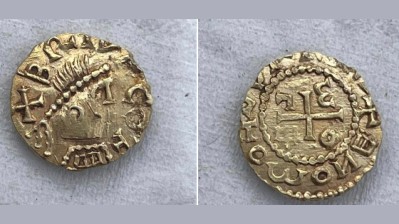
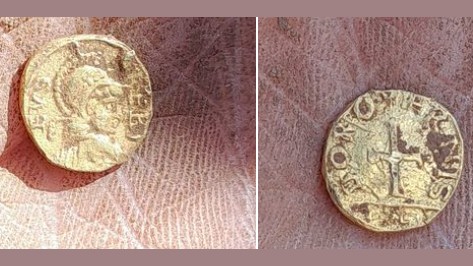
- Gold tremisses, silver sceattas and later pennies of the Wessex and Mercian kings
- Dispersed coin hoards, which must be reported under the Treasure Act
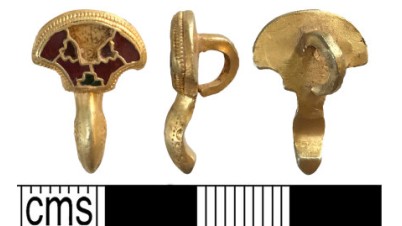
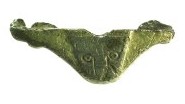
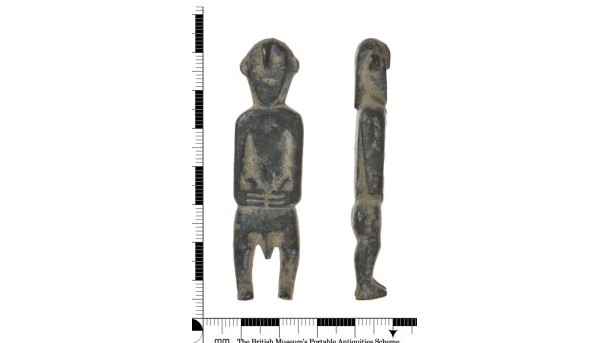
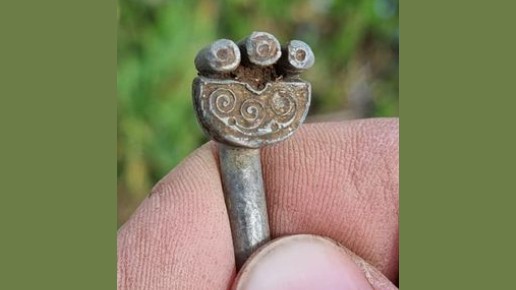
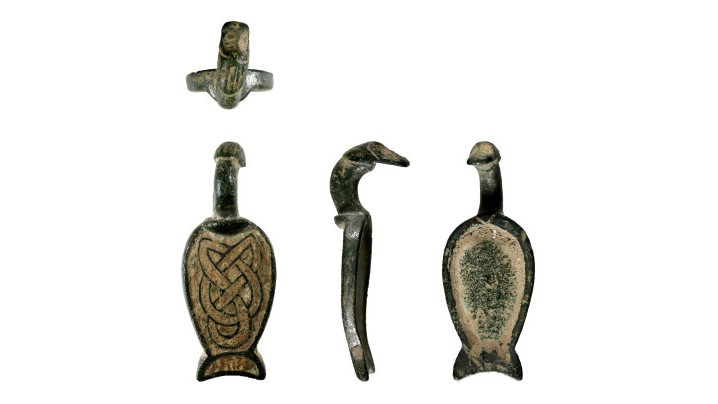
- Strap ends, hooked tags, pins and disc brooches
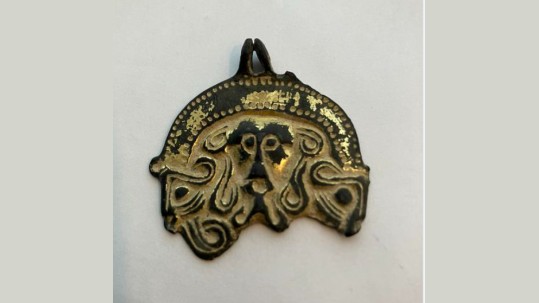
- Decorative mounts and harness fittings
Every find below was recorded by a Midweek Searchers member and, where a reference has been assigned, reported through the Portable Antiquities Scheme. Exact findspots are withheld out of respect for our landowners.