Finds / Iron Age
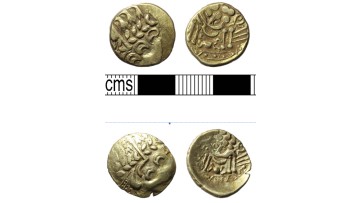
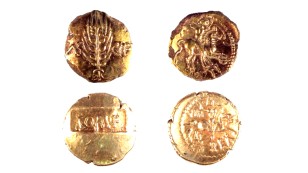
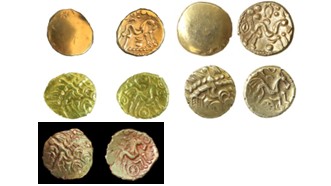
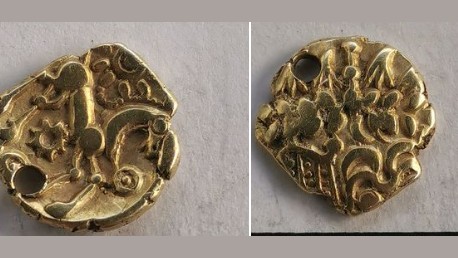
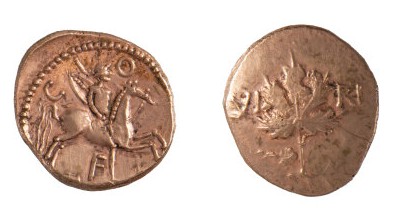
In the centuries before the Roman invasion, the chalk downland of Hampshire, Wiltshire and Sussex supported hillforts, farmsteads and field systems on a considerable scale. The tribes of the region, among them the Atrebates and the Durotriges, struck their own gold and silver coinage, much of it modelled at several removes on Greek prototypes.
Iron Age coins are found in far smaller numbers than Roman or medieval ones, and each is worth recording carefully. Their distribution is one of the main tools archaeologists use to map tribal territories and trading contacts, so an accurate findspot genuinely adds to the national picture.
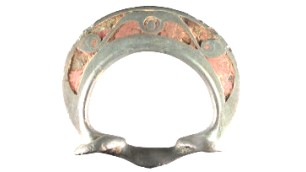
Alongside the coinage, the period produced brooches and harness fittings in a distinctive curvilinear style. Iron Age gold, and groups of base-metal coins deposited together, fall within the Treasure Act and are reported accordingly.
What turns up from the Iron Age period
- Gold staters and quarter staters, and silver units of the southern tribes
- Potin and other cast base-metal coinage
- La Tene style brooches and terret rings
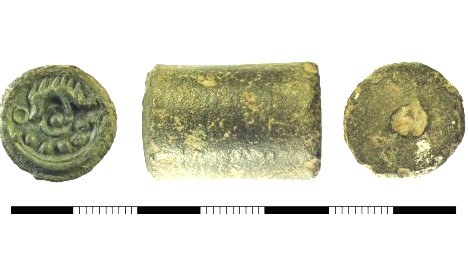
- Harness and chariot fittings
Every find below was recorded by a Midweek Searchers member and, where a reference has been assigned, reported through the Portable Antiquities Scheme. Exact findspots are withheld out of respect for our landowners.